.jpg)
This article was first published by The Times on Wednesday 18th March, 2026.
This anxiety feels modern, but the mistake behind it is not. Strathallan School began in 1912 with the belief that education should widen lives before it narrows them, that pupils should be known as individuals, enjoy their learning, and discover unknown talents. More than a century on, those principles speak to one of the quiet failures of modern education: the steady reduction of choice in response to tighter budgets and focus on fixed outcomes. Childhood increasingly feels like a race: to the right school, the right subjects, the right results. In a system shaped by exam pressure and league tables, early specialisation can seem not just sensible, but unavoidable.
The problem is, it’s largely wrong. A major international review in Science looking at tens of thousands of elite performers found that early stars rarely become the highest achievers in adulthood.
Those who reach the very top tend to follow a broader route, what David Epstein describes in Range as a ‘T-shaped individual’. They explore widely, combine disciplines, change direction. Early intensity may deliver short-term success, but is a poor predictor of long-term excellence.
Children develop at different speeds. Interests emerge unevenly. Potential lies dormant. Schools that truly know their pupils recognise this pattern. When opportunities are removed too soon, pupils may appear more focused on paper, but are often less resilient, less confident, and less comfortable with uncertainty. This may surprise parents. It doesn’t surprise many teachers.
There is also a quieter effect, easily overlooked. Pupils who are known as individuals, challenged broadly and encouraged to explore enjoy learning more. Not because it’s easy, but because it’s meaningful. That enjoyment fuels motivation, risk-taking and perseverance. Motivation, after all, is not the reward for success, but one of its causes.
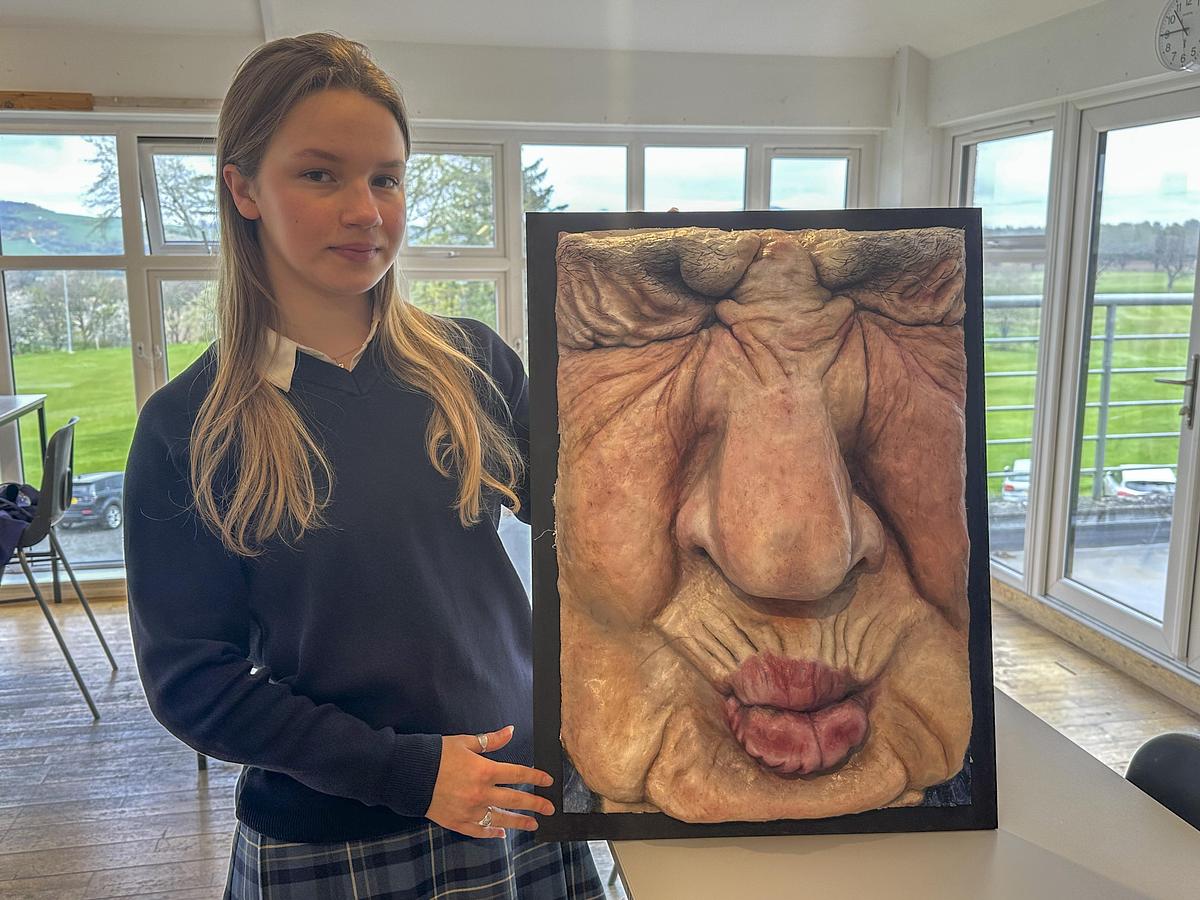
Too often, breadth in education is treated as expendable, easily trimmed when examination pressure mounts. Arts, music, sport and wider experiences are framed as enrichment rather than essentials. In fact, they are fundamental to developing judgement, perspective and depth. These experiences are not distractions from the goal – they create the very space where potential can emerge.
The responsibility of schools is not to rush children towards certainty, but to create the conditions in which they can flourish.
Parents: take heart. A holistic education is not a soft option. It’s a confident one. It reflects belief in young people and faith in the long game.
The strongest futures are rarely built by racing towards the goal. They are built by young people who were allowed to grow wide before they grew deep.
- Jonathan Mace, Head of Strathallan Senior School